OUTSOURCE YOUR HR RESOURCE


HR Dept, Exeter

HR Dept, Exeter

Hospitality and Catering businesses are not only wising up to the advantages of recruiting online – investing less, a faster response and more choice – they are now outsourcing their HR as well.

Companies like the HR Dept in Exeter are being approached by more and more companies no longer able to justify the expense of a permanent HR administrator or manager, let alone department. They are choosing to outsource all of their employment responsibilities such as training, health and safety, TUPE, redundancies, payroll and DBS checks on an ad hoc or retainer fee basis instead.

Founder and Director of HR Dept, Exeter Belinda Newton explains why: “Employment law is very complex and time-consuming, and what we can do is to help a business avoid the associated risks. For a fraction of the cost of an in-house HR expert, we can offer local, personal and professional advice without the fixed overhead of an individual or team.”

Whether a business needs support with disciplinary or grievance issues, sickness or absence, restructure or recruitment, the HR Dept can become your ‘virtual’ HR department. What it means for those in hospitality and catering, is that without the logistical headache of such matters, they can focus on what they do best – promoting their brand, serving culinary delights and ensuring a memorable experience.

Regardless of size, the HR Dept, Exeter can provide an informative and reliable service to any micro-business, SME, chain or group. To find out more call T: 01392 349560 or email: Exeter@hrdept.co.uk


GROW YOUR OWN: the sustainable solution to employment

Source Yourself has teamed up with Petroc, one of the SouthWest’s leading colleges, to help support their Hospitality and Catering students into employment when they leave college. By sharing details of new positions directly advertised on the Source Yourself site with The Job Shop, students are immediately made aware of opportunities coming up in the sector and region.

Source Yourself branding on Petroc Plasma Screen

Source Yourself branding on Petroc Plasma Screencollege.

Not long ago, Petroc’s North Devon Campus gained funding from The Savoy Educational Trust for a brand new state-of-the-art demonstration area in one of their training kitchens. While the new facilities help prepare Hospitality and Catering students for life in the industry, they also provide a platform for lecturers to deliver professional and complex demonstrations on a much larger scale.

Both the Barnstaple and Tiverton campuses offer an exceptional range of study programmes, courses and qualifications for the Hospitality and Catering industry, from A Levels to apprenticeships and vocational training to degree programmes.

As the South West continues to boast some of the best restaurants, hotels, pubs and bars in the UK, there isn’t a better time to engage in some training or get qualified, particularly as employment opportunities within the region are thriving.

IL CASITA – FINALISTS OF DEVON LIFE FOOD AWARDS – DEMO SOURDOUGH PIZZAS AT 2016 CREDITON FOOD FESTIVAL (WITH A LITTLE HELP FROM SOME FRIENDS)

Nicholas Hack and Tina King - Il Casita, Crediton Devon

Nicholas Hack and Tina King – Il Casita, Crediton Devon

For the second year running, husband and wife cooking sensations Nicholas Hack and Tina King will take centre stage at the Crediton Food Festival to host a Sourdough Pizza cookery demo, along with a small team of children from Haywards School. Live at 11.45am in Crediton’s Town Square on Saturday 18th June, the Il Casita cooking crew will show you how fun pizza-making really is.

Cooking and business partners Nicholas Hack and Tina King arrived in Crediton, mid-Devon just under three years ago, leaving the big smoke and big hospitality and catering careers behind them. Returning to their home county of Devon, they acquired a 45-seater restaurant and are now prominent and highly respected members of the local community, not to mention acclaimed South West restauranteurs. While Nicholas focuses on creating inventive Mediterranean dishes using the finest seasonal produce, locally-sourced whenever possible, Tina uses her exceptional pastry skills to compliment the starters and mains. To say they are a match made in foodie heaven sounds so cliched, but it’s true.

Nicholas Hack, Il Casita Seasonal, Locally-Sourced Produce

Nicholas Hack, Il Casita Seasonal, Locally-Sourced Produce

Besides the live cookery demo, a sumptuous feast of charred seafood accompanied by a cool glass of prosecco will be on offer, along with the opportunity to enter two competitions to win either a £50 voucher or a Champagne Dinner for two.

For further information about the competitions, please visit their website www.ilcasita.co.uk where you can also take a look at their June lunch, dinner and Ladies Night Menus. T: 01363 777057

Nicholas Hack, Il Casita - Mediterranean specialities

Nicholas Hack, Il Casita – Mediterranean specialities

Hopefully see you there in June…

Spears of Aspiration by Christopher Archambault, Executive Head Chef of The Headland Hotel & Spa, Newquay Cornwall

True lovers of food, whether they be cooks, chefs or rapturous eaters often blur the line between stomach and loins. A sublime morsel can be a tickle to make one swoon, a great meal, foreplay. If aphrodisiacs do indeed exist, the lofty asparagus spear is a true royal with its delicate points d’amour. Elegant, dainty, short-lived and of a hue that evokes fertility, freshness and surely jealousy from lowlier vegetables, asparagus is king right down to its rooty crown.

Seasonal Asparagus by Guest Blogger Christopher Archambault

Seasonal Asparagus by Guest Blogger Christopher Archambault

Like many a splendored thing gone squandered, asparagus is subjected to much abuse. Let’s run through some rules of respect and points of interest…

1) A foreign spear is not so dear: No point, (nor pun intended). Delight in the British asparagus season that runs from late March-June. Asparagus should be a treat to be gorged upon for these three or four fleeting months. The key to proper product is the short time from picked to plate. Look for moistness at the cut, tight buds and a firm stalk. The sugars turn quickly to flavourless starch when left to sit. Vac-packed hypermarket asparagus from Peru or Thailand in December is a cardinal sin. White asparagus is indeed amazing, but usually best at source. Often just an overpriced delicacy travelled too far.

2) A kept woman:  If you acquire some recently picked spears but aren’t able to cook them straight away, the best manner in which to protect is to carefully snip that too tight rubber band, stand them in a glass or container with an inch of water and then refrigerate. Don’t pack them too tightly together and always mind those delicate tips.

3) To peel or not to peel:  A matter of finesse. Does peeling asparagus make it taste better? Arguably, but then you are losing some of the texture contrast. Does it make the asparagus more attractive? Well, we’re talking about the difference between fishnets and ultra sheer. It’s all in the eye of the beholder. I would say; peel thick, au naturale for thin. On the subject of asparagus trimming, I was always told, ‘The more expensive the restaurant, the closer to the tip the asparagus is snipped’. As long as all those off-cuts are saved for a nice soup, it matters not.

4) The cooking:  Not a lot and very quickly, or not at all. Find the subtle, yet natural breaking point, snap and trim straight. Discard the woody bits as they aren’t really fit for anything bar a possible addition to vegetable stock. In a perfect world you would then boil in a special asparagus steam/boiler that blanches upright whilst saving the delicate tips from actually being submerged in the water. Us peasants can make do by boiling a large amount of heavily salted water and blanching them for 3-5 minutes, depending on thickness. Or steaming a little longer. Serve immediately or refresh in ice water for later warming or grilling. Raw asparagus can be lovely when sliced ultra thin and married with an acidic emulsion.

5) The pairing:  Well, what doesn’t go with asparagus? A subtle flavour that lifts, augments and adds a touch of class. Seasonality dictates lightness but the options are endless. Born for butter, quality oils, hollandaise, Parmesan, mayonnaise, mustard dressings, cured ham, crab, eggs, pickled in a Bloody Mary etc. etc. I love Hugh’s idea of using them as soldiers for a butter enriched soft boiled egg. Add a few drops of truffle oil and phwoar…

Here we have a few very simple staples with one of my signature dishes. A bit involved but well worth the effort and shouting spring with every step.

Lamb Sweetbreads, Asparagus, Wild Garlic Gnocchi & Morels

Lamb Sweetbreads, Asparagus, Wild Garlic Gnocchi & Morels

Lamb Sweetbreads, Asparagus, Wild Garlic Gnocchi & Morels (Ingredients for 4)
◾4-500gm Lamb sweetbreads
◾Milk to cover
◾1 Bay leaf
◾2tbsp Water
◾2tbsp Unsalted butter
◾5tbsp All purpose flour
◾1tsp Dijon mustard
◾1-2tbsp Finely chopped wild garlic
◾3tbsp Grated gruyere
◾1 Large egg
◾12 Medium size morels
◾8 Asparagus spears
◾Butter for basting
◾Capers
◾Lemon juice
◾Seasoning
◾Sunflower oil
◾Flour to dust
◾Watercress

Method:
1.Soak the sweetbreads overnight in a container of cold water.
2.Drain and place in a saucepan with the bay leaf and cover with milk.
3.Bring the saucepan to a boil and simmer gently for five minutes.
4.Drain and immediately plunge into ice water until completely cooled.
5.Peel off the membrane and fat from the sweetbreads and lay out on a plate covered with cling film.
6.Press under a heavy weight, for a couple hours. Refrigerate.
7.Set up a mixer with the paddle attachment.
8.Combine the water, butter and a pinch of salt in a medium saucepan and bring to simmer.
9.Reduce the heat, add all the flour at once and stir rapidly with a wooden spoon until the dough pulls away from the sides of the pan. The dough should be glossy, smooth and moist but not sticking to the bottom of the pan.
10.Continue to stir for about five minutes, keeping the heat low to avoid colouring. When enough moisture has evaporated, steam will rise from the dough.
11.Immediately transfer the dough to the mixing bowl.
12.Add the mustard, wild garlic and a couple pinches of salt.
13.Mix for a few seconds to incorporate the ingredients, then add the cheese.
14.With the mixer on the lowest speed, add the egg and beat until fully incorporated.
15.Place the dough in a piping bag and let it rest for 30 minutes.
16.Bring a large pot of salted water to the boil and keep at a simmer.
17.With one hand, evenly and slowly squeeze out 2cm nuggets of the gnocchi whilst slicing them off with a small knife into the simmering water with the other. This task should be done rapidly so that the gnocchi all cook at relatively the same time. Cook for 2-3 minutes, then plunge into ice water. You should get 40 gnocchi.
18.Drain and reserve.
19.Season and dust the sweetbreads with a little flour. Fry on a high heat in a little sunflower oil, basting with a knob of frothing butter until browned. Add the gnocchi and morels and toss, toss until browned and cooked, adding more butter and seasoning if needed.
20.Simultaneously in a large saucepan of salted boiling water, blanch the asparagus for 3-4 minutes depending on thickness.
21.Scalding your fingers, rough cut the asparagus and add to the sweetbreads pan. Crank up the heat and drizzle a little lemon juice as the butter yearns to burn. A quick beurre noisette.

To serve:  Arrange the sweetbreads, gnocchi, asparagus and morels divided amongst four plates. Top with spoonfuls of hot beurre noisette and a few choice leaves of watercress or chickweed if handy. A glass of prosecco would not go amiss with such a luxurious dish. Some finesse required but a rustic presentation devoid of pretension.

“… asparagus, tinged with ultramarine and rosy pink which ran from their heads, finely stippled in mauve and azure…transforms my chamber-pot into a flask of perfume.” Marcel Proust

The Etiquette of Food Photography

SYTo shoot or not to shoot?  In this golden age of digital food, knowing when it’s ok to snap your food is barely even a question for most. The prevalence of the raised smartphone over a smartly laid table has become a near given across fine dining rooms around the globe.  The never ending stream of Instagrammed and Twittered dining experiences causing either a swoon or a gag reflex depending on your tastes and takes on food and culture in general.

I’m of a mind that it should be done with a bit of discretion, and be done well.  It’s with some guilt and sad self-awareness that I admit to my own social media affiliations, I’m not blind to the downsides, the fakery, the nonsense of it all…it’s just that I think the positives outweigh the negatives.

Oh, and of course I’m addicted like everyone else.  So, as you wield the latest version of your techno mammon devicery, do it discreetly.  No flash, (that’s rubbish for food anyway), no mini tripod or using your side dish as a reflector.  A decent snap of your rapidly cooling food should take no more than ten seconds, then you can sheath said gadget and tuck in, for that is really what the food was created for…eating!

Remember?  The higher the accolade above the restaurant’s door, the more likely you’ll want to capture the arty craft of it all…these are the joints where you should show the most respect.  Don’t ruin the atmosphere of the room with your mini photo shoot…do it quick!  I once witnessed a lone diner ask his waiter to take a pic of him with his soufflee.  Not cool.

As far as getting the pic right, It’s post-op where the perfection comes in anyway.  Camera+ is the top app for your smartphone.  Many a hastily snapped morsel has garnered much Instagram validation with a little jacking in this fab app.  Instagram filters alone are woefully inadequate for food.  This is photography…you shouldn’t post it if it ain’t better than the real thing.

Promoting your Brand or Company with Printed T-Shirts & Workwear

Your staff and employees are valuable assets to your company for many obvious reasons but they’re rarely used to physically promote or advertise brands. Printed T-shirts and Workwear are a great way to utilise this undervalued and underused resource.

Printed T-shirts and Workwear can help associate your staff and their good work with your company or brand. By association they can help inspire positive advocacy through customers, families or even passers by. They can even be used to promote special offers, seasonal events, or #hashtag campaigns. Below are some examples of when Printed Workwear will be most effective.

Events – At a large event, conference it can be difficult to spot a member of staff when customers want to make a purchase or ask for more information. Make your staff stand out with a plain T-shirt or Polo in a single bold colour. Have a large logo on their back and a smaller one on the right of their chest. Keeping the detail simple will allow people to spot your staff quickly.

Mobile Staff –Contractors and other mobile staff are representing your company when they’re outside of the office. A great way to make sure they’re doing this respectfully is to give them a standard printed uniform. Clients and customers will recognise them instantly and in the summer months you can make sure there are additional garments to hand for them great occasions when England actually gets a hot weather. Including contact details on the back of the garment is a great way to encourage more enquiries.

Retail Sales –Staff on a shop floor can also be difficult to spot if they don’t have a set uniform. This is even more relevant when you’re in sale mode. Why not kit your staff out with red and white printed workwear with examples of special offers printed on their backs. You could promote a percentage off, individual deals or a prominent brand you sell. Printed workwear however will always be more cost effective if you don’t have too many variants.

Promotional Products – Instead of getting your staff to wear your printed t-shirts why not hand them out as a promotional product for customers. Everytime a customer spends a set amount in store they get a free t-shirt. Be sure to get a selection of sizes and make sure the fit and message on the T-shirt is relevant to your business. If you’ve do it right you will soon see customers advertising your brand down your local high-street. Parents will always be happy for additional plain t-shirts for their children.

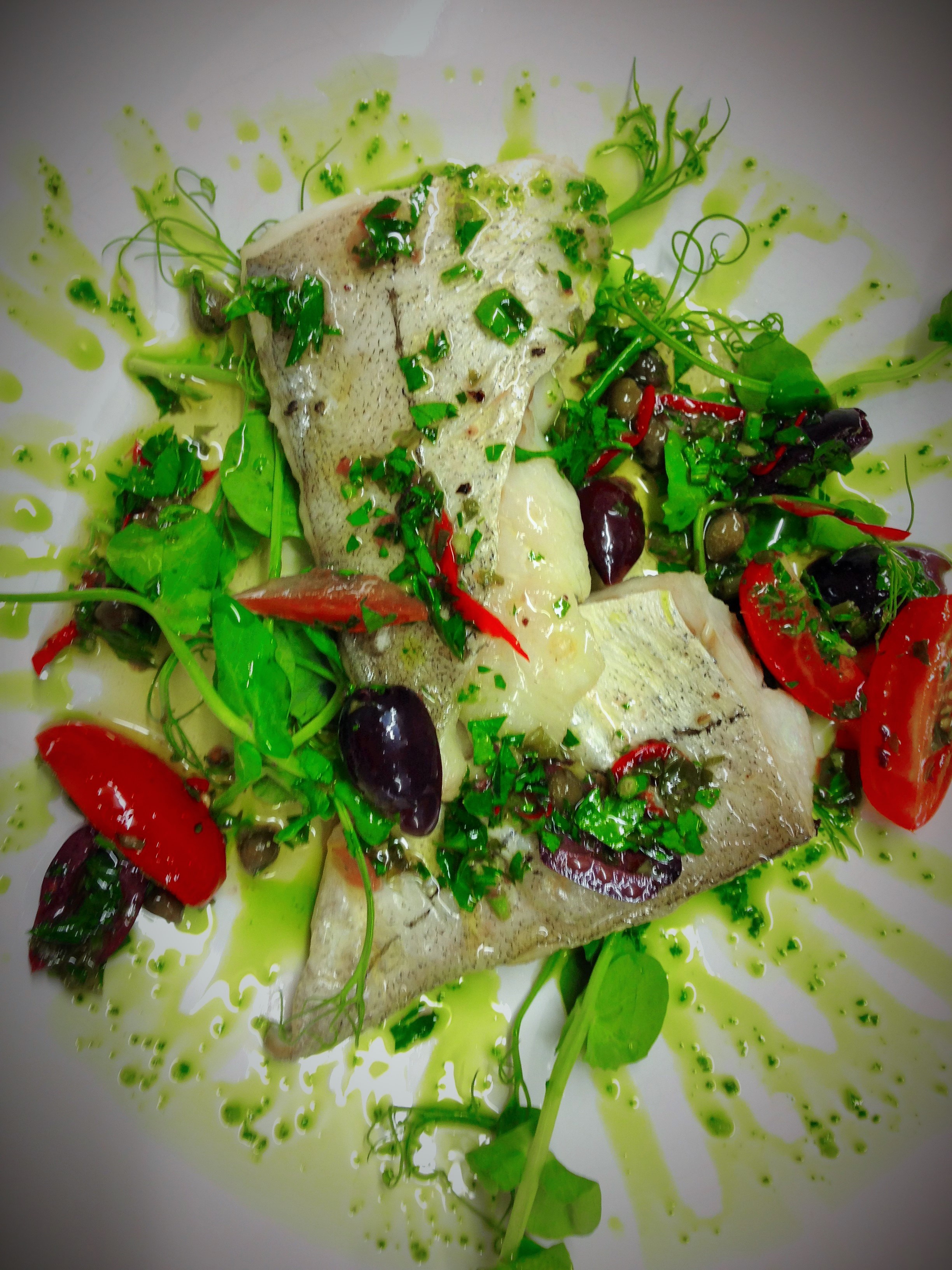
Food photographie for chefs – tips: use natural light

Use natural light. Yes, there are expensive rigs that try hard to mimic a Caribbean sunset, casting pink Champagne diamond trails through crystal glass across your plates…but, a bright white day…just can’t be beat. Natural light will cast your food in its most realistic hue. The best setup is a white table cloth near a large window. You don’t want too much direct sunlight; that’s far too ‘hot’, just a fine day, filling the plates with light.

Zero-Hour Employment Contracts

Zero hours contracts have, for many businesses, largely replaced the concept of the casual worker.

By employing workers without any guarantee of set hours, or indeed any hours, businesses can tailor their staffing levels according to the ebb and flow of demand. This is particularly useful for industries and sectors which have seasonal fluctuations in demand or are affected by other factors which influence the volumes of their transactions. When used legitimately, i.e. to meet business needs, and responsibly i.e. to ensure that workers do have security of employment and certainty of remuneration, these contracts are certainly a benefit to businesses. However, it is the case that many large businesses have not given adequate thought to the welfare of their employees. The controversy arose recently when it became clear that a large number of Sports Direct employees are on zero hours contracts. This is not unusual for retail businesses and there are a number of other clothing retailers that employ their employees in a similar manner. The use of these contracts has a significant implication for workplace relations.

Whilst full-time permanent staff enjoy regular and foreseeable income, the ability to rely on statutory annual leave, sickness benefits and pension contributions, employees on zero hours contracts suffer in all these regards. The unions allege that the use of zero hours contracts compounds the other changes in employment law which have clearly been to the detriment of employees. They say, with some justification, the marked and sudden power shift away from employees to employers has skewed the working relationship which many believe had been developing well in the late 80’s and throughout the 90’s. It is said that employers and employees shared the same goals, i.e success of the business so that the owners of the business and the employees could all benefit in terms of income, certainty of remuneration and continuity of employment.

As of July 29th 2013, employees have lost their rights to bring unfair dismissal claims in the first two years of employment and an employer can dismiss an employee without giving them a reason for dismissal and without following a mandatory procedure. Unions have accused the Government of enabling employers to exploit employees. The division between employers and employees has lead to the perception that employees and employers have different goals and an employee had no compelling reason to work hard for the benefit primarily of the employer. If employees feel exploited, powerless, and vulnerable, it is clear that employers are less likely to be able to secure their loyalty, and hard work. It is argued that employment is more likely to be regarded as just a job, not a career.
We now know that amongst the largest employers, Marks & Spencer, Tesco’s and Asda have all shunned the use of zero hours contracts. Other very large organisations use them sparingly if at all. There are other businesses however, which are entirely dependent on zero hours contracts. Whether or not there is a match between the employees’ needs and those of the employer, the flexibility afforded by zero hours contracts is such that they can make the difference between profitability and unviability.

There are a great many options for employers looking to engage workers. Zero hours contracts are not a panacea for tackling staffing levels and coping with demand. Neither is it the case that creating a workforce of self-employed people will shield any organisation from being regarded as an employer. Courts routinely find that self-employed people are actually employees and there are punitive remedies for those employers who have not paid holiday pay, maternity pay, or sickness benefits. Employers seeking to avoid tax and national insurance contributions may end up with a nasty shock at some stage. For this reason, it is worth seeking expert advice in relation to their workforces. It is advisable to choose Solicitors who are experts in business law and employment law in particular. Solicitors are regulated and are accountable. Increasingly, solicitors engage HR specialists to work alongside their employment lawyers and employers are able to tap into best practice relatively cheaply and with professionals who keep abreast with the frequently changing legal landscape with whom they can enjoy a long-standing business relationship.

© Stephens Scown LLP 2013 – 2014

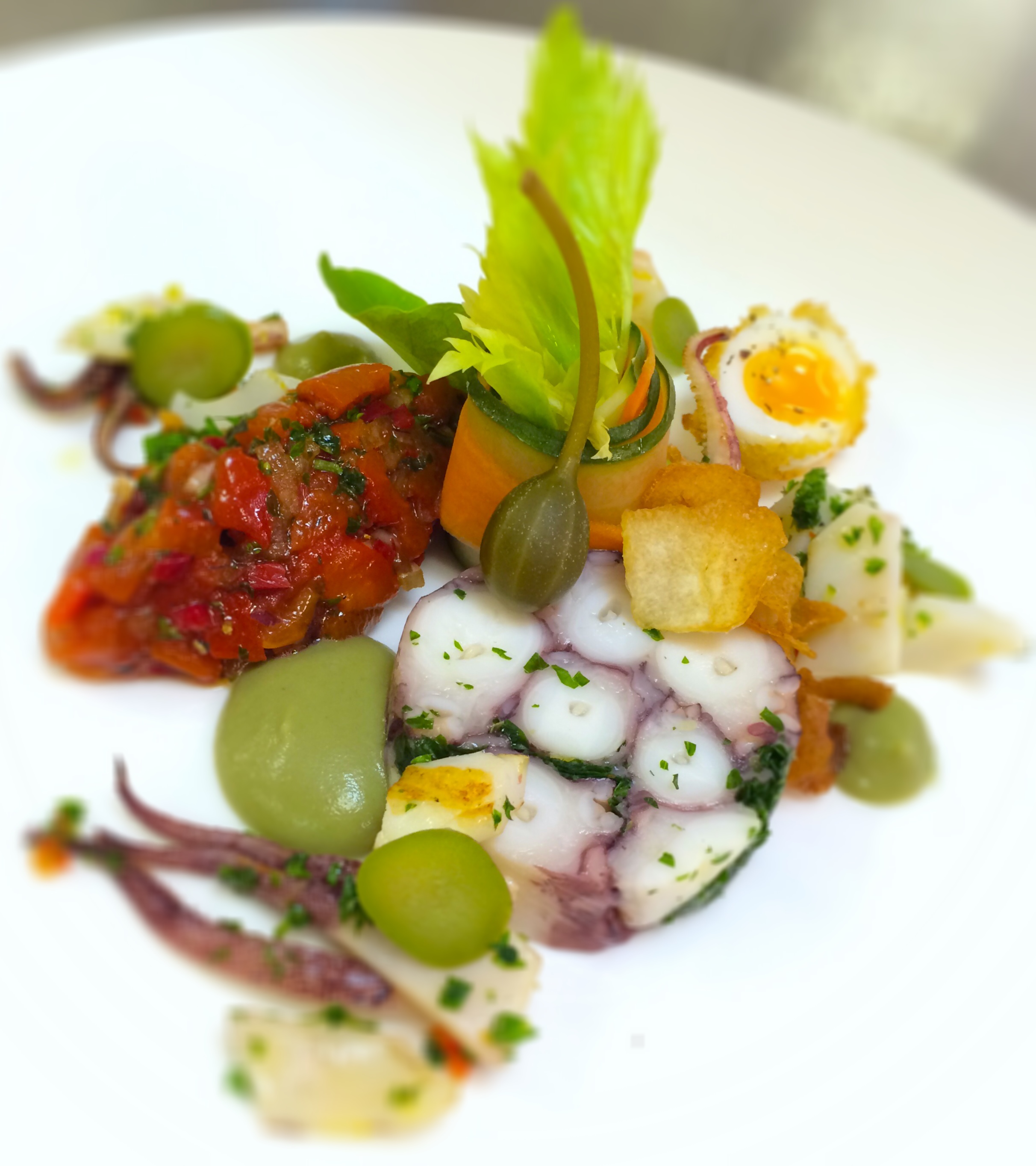
Food photography for chefs

The importance of photography may not occur to the busy chef, but being able to immortalise that perfect moment between creation and consumption can do much to archive and promote your dishes.  Heightening your already innate food styling abilities combined with giving a thought to angles, lighting and post enhancement will enable you to keep a record of the dish for future reference, give you a vibrant offering for a CV, portfolio or social media forum and add another page to your culinary skill set.  In this digital age, it’s unnecessary to lug around big camera set ups, nearly everything can often be caught to a high standard with a smartphone.  For food service businesses, nothing can be more off putting than terrible food photography.  Let me guide you with a tailored approach, simple tips and quick, easy set ups; suitable for the busy chef on the fly, start up restaurants or even someone that just wants to ‘sort out’ that tired website.


Why Online Recruitment is the way forward and how Source Yourself can help

In the current economic climate companies are looking for ways to save money, reduce fees and simplify their recruitment process. The Internet is a valuable and inexpensive resource for companies who understand how to maximise its potential. It is fast, convenient and accessible, providing the perfect platform for your job advertisements to reach more potential employees than some of the traditional recruitment processes.

Here at Source Yourself we believe that businesses should no longer be at the mercy of recruitment agency fees and restrictions, often paid out for minimal effort in return. We believe that you should be in control of your advertisements and how you are portrayed online.

Online recruitment advertising not only saves you money, it also gives back the control of your own recruitment process. You have to opportunity to write your own ad, tailored exactly to your specific criteria; after all no one else understands your Business and can do that better than you. Once the responses come in, you can choose the right candidate to fit the role at your convenience.

 Did you know that 95 % of jobseekers are now using the internet to find their next role?

By using Source Yourself your advertisements can be viewed 24 hours a day, 7 days a week, at the convenience of those searching for roles and not restricted to conventional office opening hours. Like you, candidates are busy people, often working variable hours and like the convenience online recruitment brings.

Job advertisements can also help you build your profile online, as they also link back to your own website. This enables candidates to learn more about the culture and values of your company before applying, ensuring that they know you’re right for them and vice versa.

We believe the concept we have here at Source Yourself is the way forward in hospitality recruitment. Not only are we providing results in finding staff, we also have a database of candidates and a list of reputable, reliable suppliers to help run your business effectively.

Here’s how we can help 

  • Your first step is to register with us online here
  • Next you will need to write and post your advertisement
  • Once your advertisement is posted you will also be able to search our CV database and contact potential candidates
  • When someone responds to your advertisement, Source Yourself will forward their CV directly to your registered email address
  • You can then choose when to review the candidates and when to contact them

 It really is that simple!

We have a variety of recruitment packages to suit everyone’s needs and are more than happy to chat to you, and answer any questions, with no obligation on your part. We can be contacted  here and you can also find us on Twitter @Sourceyourself