TAKING THE MED TO MID-DEVON

Mediterranean dishes created from locally-sourced South West produce

Mediterranean dishes created from locally-sourced South West produce

Il Casita is regarded as one of Devon’s hidden gems, and after years of high street success is taking its Mediterranean brand in to the countryside to create a refreshing new pub concept in rural foodie heaven.

Albeit the ‘local’ has declined in popularity in more recent times, with a vast number even closing down, there are still those that hang on in there thanks to the support, dedication and sheer determination of its immediate community.

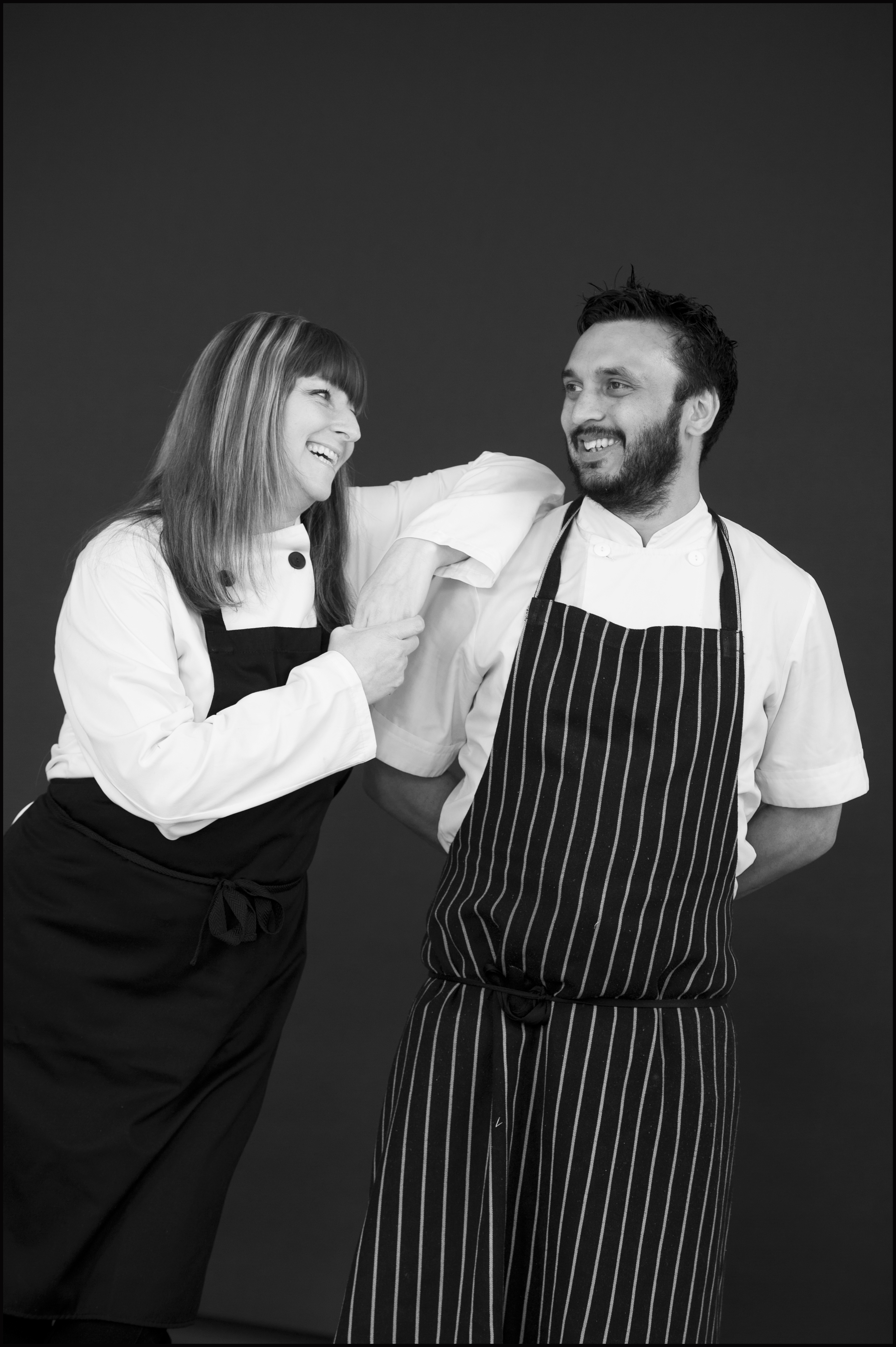
Nicholas Hack and Tina King of Il Casita, Crediton Devon

Nicholas Hack and Tina King of Il Casita, Crediton Devon

Without revealing too much too soon, (having been sworn to secrecy by Nicholas Hack and Tina King of Il Casita in Crediton) there is one independent food-led pub/restaurant near Tiverton, mid-Devon that is far from closing its doors as it begins its exciting journey under new management with the blessing of its locals.

Incorporating a sustainable farm-to-fork ethos, and sourcing local seasonal produce whenever possible (potentially one day from the pub’s garden) is already part of the Il Casita brand ethos, and soon to become the focus for the constantly changing menus on offer at the pub based just outside Tiverton, mid-Devon.

Independent food-led pub concept

Independent food-led pub concept

Inspired by Mediterranean flavours and artisanal products, dishes will resemble striking colourful works of art. Yet, these will be by no means minimalist pieces, and still retain their country-pub heritage with fair size portions, and every mouthful packed with flavour. Besides the recipes reflecting seasonal change, the drinks will too. The local ales, ciders, wine and fizz on offer will complement the dishes, selected as much for their locality as they are for their taste.

Seasonal locally-sourced sustainable food from Devon

Seasonal locally-sourced sustainable food from Devon

There couldn’t be a more exhilarating time than this to join a business, so if you think you’ve got what it takes, plus bundles of passion and experience, to join Nick and Tina, please apply for the position of Chef de Partie here, or here for the role of Assistant Bar and Restaurant Manager today.


IL CASITA – FINALISTS OF DEVON LIFE FOOD AWARDS – DEMO SOURDOUGH PIZZAS AT 2016 CREDITON FOOD FESTIVAL (WITH A LITTLE HELP FROM SOME FRIENDS)

Nicholas Hack and Tina King - Il Casita, Crediton Devon

Nicholas Hack and Tina King – Il Casita, Crediton Devon

For the second year running, husband and wife cooking sensations Nicholas Hack and Tina King will take centre stage at the Crediton Food Festival to host a Sourdough Pizza cookery demo, along with a small team of children from Haywards School. Live at 11.45am in Crediton’s Town Square on Saturday 18th June, the Il Casita cooking crew will show you how fun pizza-making really is.

Cooking and business partners Nicholas Hack and Tina King arrived in Crediton, mid-Devon just under three years ago, leaving the big smoke and big hospitality and catering careers behind them. Returning to their home county of Devon, they acquired a 45-seater restaurant and are now prominent and highly respected members of the local community, not to mention acclaimed South West restauranteurs. While Nicholas focuses on creating inventive Mediterranean dishes using the finest seasonal produce, locally-sourced whenever possible, Tina uses her exceptional pastry skills to compliment the starters and mains. To say they are a match made in foodie heaven sounds so cliched, but it’s true.

Nicholas Hack, Il Casita Seasonal, Locally-Sourced Produce

Nicholas Hack, Il Casita Seasonal, Locally-Sourced Produce

Besides the live cookery demo, a sumptuous feast of charred seafood accompanied by a cool glass of prosecco will be on offer, along with the opportunity to enter two competitions to win either a £50 voucher or a Champagne Dinner for two.

For further information about the competitions, please visit their website www.ilcasita.co.uk where you can also take a look at their June lunch, dinner and Ladies Night Menus. T: 01363 777057

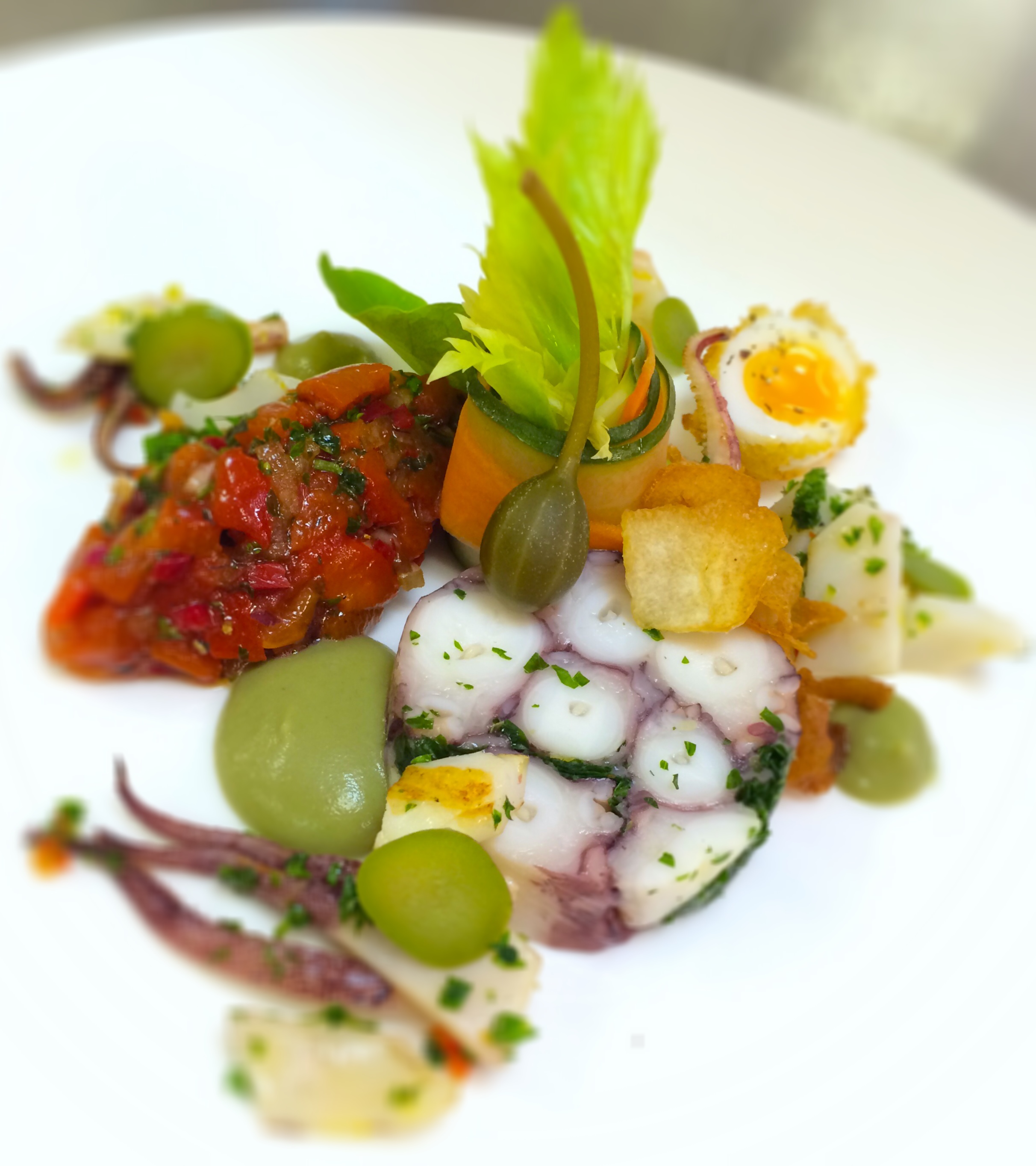
Nicholas Hack, Il Casita - Mediterranean specialities

Nicholas Hack, Il Casita – Mediterranean specialities

Hopefully see you there in June…

The Importance of Tomatoes by Christopher Archambault, Executive Chef of The Headland, Newquay

The importance of tomatoes to our cultural and culinary world is so great it nearly goes ChristopherArchambaultBowlofTomatoesunrecognised.  The vast myriad of sauces, preparations, signature dishes, home cooked favourites and processed goods which contain this South American fruit are incalculable. At times; we need to step back from an ingredient and examine it at its very best, raw and untouched state.  The colours, shapes, varying sweetness, acidity and fragrance of heritage, (heirloom across the pond) tomatoes are unsurpassed.  The versatility of beefsteak, the honeyed hit of cherry, the earthy aroma of any fresh tom from the vine.  The varieties are endless.  Green Zebra have a firmness that hold up to breading and frying, Beef Hearts are meaty and robust, Goldens adding a great colour twist and San Marzanos the classic.  The older I get as a Chef, the simpler I prefer my cooking.  So; if I can present a stripped down Caprese but use an unusual mix of tomatoes, I’m keeping it real but still giving the diner a unique experience.

Tomatoes were once regarded with much suspicion in Britain, even poisonous by some. By the mid-18th century they were a near staple and British tomatoes in season are some of the very best.

The Importance of Caprese – The Italian classic

Christopher Archambault

Christopher Archambault

The simple combination of fresh tomatoes, basil, buffalo mozzarella, olive oil and seasoning will be with us until the end of time.  The first picture here reflects Caprese at its most base principle, contrasting with the other offering, an altogether posher affair.  In the latter, the very best of heritage tomatoes have been tossed with extra virgin olive oil, freshly ground black pepper and Cornish sea salt flakes.  Arranged carefully and dotted with basil cress from Teign Valley Micro Herbs, fresh buffalo mozzarella and little quenelles of basil pesto.

Take care when buying mozzarella. Price usually dictates quality and buffalo is far superior to cow. Those 80p rubber balls at your local hypermarket aren’t worth the bother, spend a bit more for the real thing and always serve at room temperature.

Pesto shouts of summer and is a great condiment. Easy to make, stores well and flexible for all manner of pasta, bread or salad combinations.

To make:

3 good handfuls of fresh basil leaves

½ garlic clove

3-4tbsp Parmesan cheese

2-3tbsp toasted and cooled pine nuts

Olive oil

Simply blend to a paste, drizzling oil to your desired consistency.

Top Tips

-Seasoning. So important. Tomatoes love sea salt flakes and freshly ground black pepper.

– Room temperature. Always. A tomato served fridge cold is a near crime in my world.

The Importance of Sauce

It would be near ridiculous to include a recipe.  Everyone should be able to whip up either a fresh or cooked tomato sauce to their taste with olive oil, chopped onions, garlic and seasoning.  One of the most effective concoctions and one of the very simplest.  There is no excuse to buy jarred sauces.  Period.  A fresh tomato sauce takes mere minutes.  A cooked, thirty or so.  Tomatoes have a powerful flavour, high liquid content and soft flesh that breaks down easily to aid in the thickening to a superb and unmistakable mouthfeel end.  The key is to use fresh ripe tomatoes or quality canned.  Napolina plum tomatoes would be the only ones I use from the hypermarket.  In the restaurant we use Caesar.  Whether it be puttanesca, arrabbiata, Mama’s secret recipe or ketchup…tomato sauce is the queen of all the mother sauces.

The classic Tomates a la Creme first graced the pages of Edouard de Pomiane’s unique and charming book, Cooking in Ten Minutes, and has been handed down through the ages by Elizabeth David and Simon Hopkinson.  A near sauce itself; here I have utilised the best of heritage tomatoes. The end result just keeps the integrity of the tomato with the added luxury of near caramelisation. The acidity of the tomato cuts the heaviness of the double cream beautifully.

Tomates Heritage a la Creme

Christopher Archambault

Tomatoes Heritage a la creme

For a starter or side dish for 4

Ingredients

8 medium size ripe tomatoes (a nice mix of heritage if you can get them)

2tbsp Butter

Sea salt flakes and freshly ground black pepper

8tbsp double cream

Basil leaves

Method

1) Cut the tomatoes in half through their middles.

2) Season the tomatoes well and let sit for five minutes.

3) Heat a frying pan, melt the butter and lay out the toms, cut side down.

4) Cook for a few minutes, jabbing a few punctures in the upturned bottoms.

5) Turn carefully with a palette knife, (try to avoid tongs for most things) and cook for another    5-10 minutes depending on the thickness of the tomatoes.

6) Turn again and add the cream between the tomatoes. Add the basil to the cream.

7) The cream will bubble and reduce very quickly, mixing well with the leaked tomato juices.

8) Serve immediately.

The Importance of Concasse
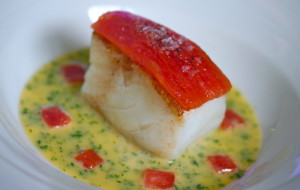
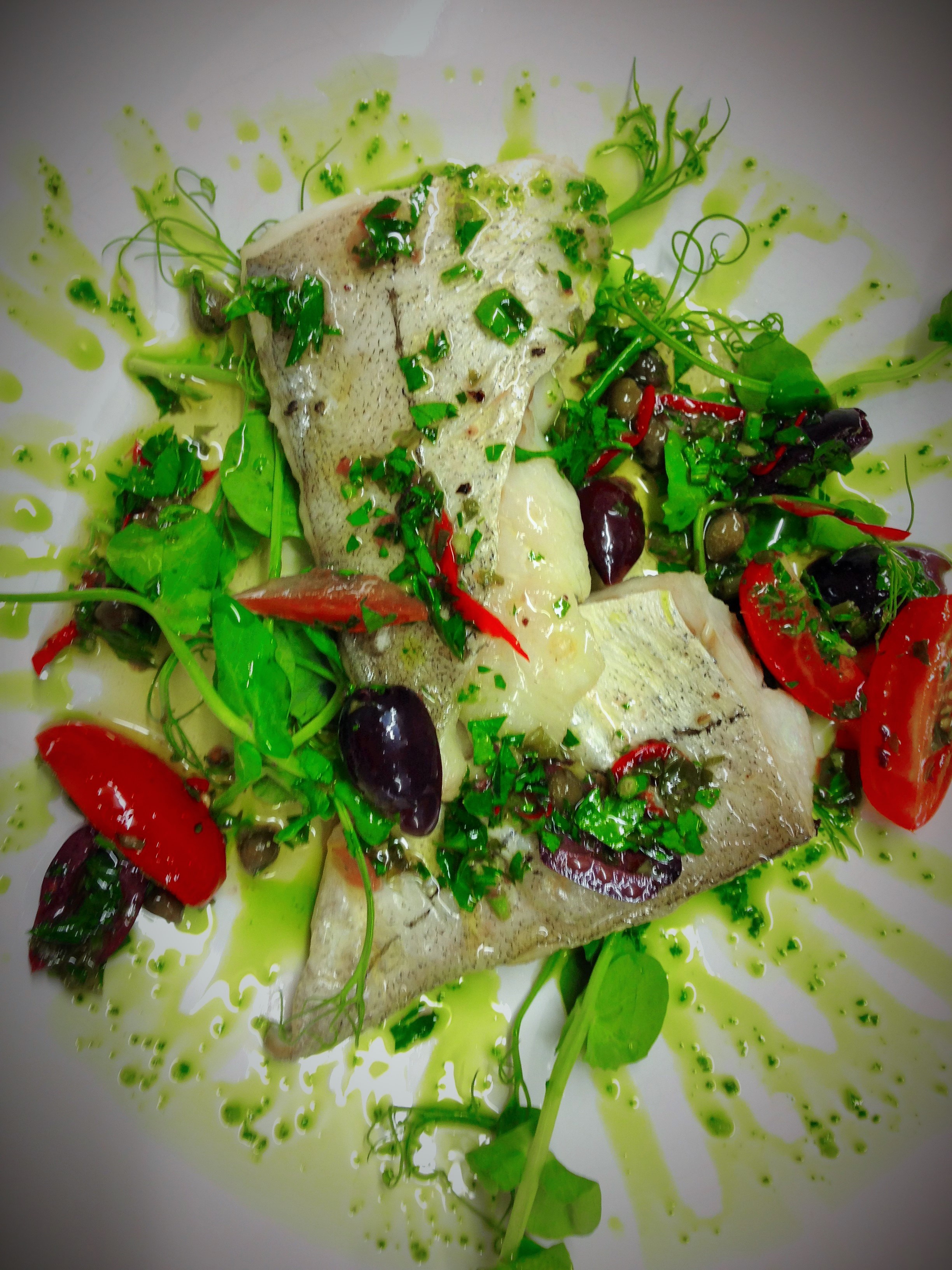
Fried Cod, Chervil Butter Sauce & Tomato Concasse picture by Christopher Archambault

Fried Cod, Chervil Butter Sauce & Tomato Concasse picture by Christopher Archambault

The simple act of cross hatching the bottom of a tomato and carefully digging out the root with a sharp knife from the other end is one of the first things one learns in a professional kitchen.  Plum, San Marzano or Roma are best for this due to their supple, tapered shape and the subsequent 30-40 second blanching in boiling water, ice refreshing and skin peeling is a job I have performed countless times.  For a time; top chefs tired of using this technique, but we had to return in the end.  There is no substitute for the silky and acidic hit of tomato concasse.  Its most famous incarnation being heaped on Italian bruschetta, the tomato concasse became somewhat restaurant weary with its uniform inclusion into every sauce and garnish in the chef’s repertoire.  A good long rest from the table and a begrudging nod to its irreplaceable position has brought it back to my daily mis en place.  Here I have tried to do a very simple dish of fried cod with a chervil butter sauce, the classic tomato concasse presented very old school- dotting the sauce, and a uniform petal gracing the crisp top of the cod.  The flaky, buttery fish with silky, just-so-tart peeled tomato is heavenly.
Spears of Aspiration by Christopher Archambault, Executive Head Chef of The Headland Hotel & Spa, Newquay Cornwall

True lovers of food, whether they be cooks, chefs or rapturous eaters often blur the line between stomach and loins. A sublime morsel can be a tickle to make one swoon, a great meal, foreplay. If aphrodisiacs do indeed exist, the lofty asparagus spear is a true royal with its delicate points d’amour. Elegant, dainty, short-lived and of a hue that evokes fertility, freshness and surely jealousy from lowlier vegetables, asparagus is king right down to its rooty crown.

Seasonal Asparagus by Guest Blogger Christopher Archambault

Seasonal Asparagus by Guest Blogger Christopher Archambault

Like many a splendored thing gone squandered, asparagus is subjected to much abuse. Let’s run through some rules of respect and points of interest…

1) A foreign spear is not so dear: No point, (nor pun intended). Delight in the British asparagus season that runs from late March-June. Asparagus should be a treat to be gorged upon for these three or four fleeting months. The key to proper product is the short time from picked to plate. Look for moistness at the cut, tight buds and a firm stalk. The sugars turn quickly to flavourless starch when left to sit. Vac-packed hypermarket asparagus from Peru or Thailand in December is a cardinal sin. White asparagus is indeed amazing, but usually best at source. Often just an overpriced delicacy travelled too far.

2) A kept woman:  If you acquire some recently picked spears but aren’t able to cook them straight away, the best manner in which to protect is to carefully snip that too tight rubber band, stand them in a glass or container with an inch of water and then refrigerate. Don’t pack them too tightly together and always mind those delicate tips.

3) To peel or not to peel:  A matter of finesse. Does peeling asparagus make it taste better? Arguably, but then you are losing some of the texture contrast. Does it make the asparagus more attractive? Well, we’re talking about the difference between fishnets and ultra sheer. It’s all in the eye of the beholder. I would say; peel thick, au naturale for thin. On the subject of asparagus trimming, I was always told, ‘The more expensive the restaurant, the closer to the tip the asparagus is snipped’. As long as all those off-cuts are saved for a nice soup, it matters not.

4) The cooking:  Not a lot and very quickly, or not at all. Find the subtle, yet natural breaking point, snap and trim straight. Discard the woody bits as they aren’t really fit for anything bar a possible addition to vegetable stock. In a perfect world you would then boil in a special asparagus steam/boiler that blanches upright whilst saving the delicate tips from actually being submerged in the water. Us peasants can make do by boiling a large amount of heavily salted water and blanching them for 3-5 minutes, depending on thickness. Or steaming a little longer. Serve immediately or refresh in ice water for later warming or grilling. Raw asparagus can be lovely when sliced ultra thin and married with an acidic emulsion.

5) The pairing:  Well, what doesn’t go with asparagus? A subtle flavour that lifts, augments and adds a touch of class. Seasonality dictates lightness but the options are endless. Born for butter, quality oils, hollandaise, Parmesan, mayonnaise, mustard dressings, cured ham, crab, eggs, pickled in a Bloody Mary etc. etc. I love Hugh’s idea of using them as soldiers for a butter enriched soft boiled egg. Add a few drops of truffle oil and phwoar…

Here we have a few very simple staples with one of my signature dishes. A bit involved but well worth the effort and shouting spring with every step.

Lamb Sweetbreads, Asparagus, Wild Garlic Gnocchi & Morels

Lamb Sweetbreads, Asparagus, Wild Garlic Gnocchi & Morels

Lamb Sweetbreads, Asparagus, Wild Garlic Gnocchi & Morels (Ingredients for 4)
◾4-500gm Lamb sweetbreads
◾Milk to cover
◾1 Bay leaf
◾2tbsp Water
◾2tbsp Unsalted butter
◾5tbsp All purpose flour
◾1tsp Dijon mustard
◾1-2tbsp Finely chopped wild garlic
◾3tbsp Grated gruyere
◾1 Large egg
◾12 Medium size morels
◾8 Asparagus spears
◾Butter for basting
◾Capers
◾Lemon juice
◾Seasoning
◾Sunflower oil
◾Flour to dust
◾Watercress

Method:
1.Soak the sweetbreads overnight in a container of cold water.
2.Drain and place in a saucepan with the bay leaf and cover with milk.
3.Bring the saucepan to a boil and simmer gently for five minutes.
4.Drain and immediately plunge into ice water until completely cooled.
5.Peel off the membrane and fat from the sweetbreads and lay out on a plate covered with cling film.
6.Press under a heavy weight, for a couple hours. Refrigerate.
7.Set up a mixer with the paddle attachment.
8.Combine the water, butter and a pinch of salt in a medium saucepan and bring to simmer.
9.Reduce the heat, add all the flour at once and stir rapidly with a wooden spoon until the dough pulls away from the sides of the pan. The dough should be glossy, smooth and moist but not sticking to the bottom of the pan.
10.Continue to stir for about five minutes, keeping the heat low to avoid colouring. When enough moisture has evaporated, steam will rise from the dough.
11.Immediately transfer the dough to the mixing bowl.
12.Add the mustard, wild garlic and a couple pinches of salt.
13.Mix for a few seconds to incorporate the ingredients, then add the cheese.
14.With the mixer on the lowest speed, add the egg and beat until fully incorporated.
15.Place the dough in a piping bag and let it rest for 30 minutes.
16.Bring a large pot of salted water to the boil and keep at a simmer.
17.With one hand, evenly and slowly squeeze out 2cm nuggets of the gnocchi whilst slicing them off with a small knife into the simmering water with the other. This task should be done rapidly so that the gnocchi all cook at relatively the same time. Cook for 2-3 minutes, then plunge into ice water. You should get 40 gnocchi.
18.Drain and reserve.
19.Season and dust the sweetbreads with a little flour. Fry on a high heat in a little sunflower oil, basting with a knob of frothing butter until browned. Add the gnocchi and morels and toss, toss until browned and cooked, adding more butter and seasoning if needed.
20.Simultaneously in a large saucepan of salted boiling water, blanch the asparagus for 3-4 minutes depending on thickness.
21.Scalding your fingers, rough cut the asparagus and add to the sweetbreads pan. Crank up the heat and drizzle a little lemon juice as the butter yearns to burn. A quick beurre noisette.

To serve:  Arrange the sweetbreads, gnocchi, asparagus and morels divided amongst four plates. Top with spoonfuls of hot beurre noisette and a few choice leaves of watercress or chickweed if handy. A glass of prosecco would not go amiss with such a luxurious dish. Some finesse required but a rustic presentation devoid of pretension.

“… asparagus, tinged with ultramarine and rosy pink which ran from their heads, finely stippled in mauve and azure…transforms my chamber-pot into a flask of perfume.” Marcel Proust

The Etiquette of Food Photography

SYTo shoot or not to shoot?  In this golden age of digital food, knowing when it’s ok to snap your food is barely even a question for most. The prevalence of the raised smartphone over a smartly laid table has become a near given across fine dining rooms around the globe.  The never ending stream of Instagrammed and Twittered dining experiences causing either a swoon or a gag reflex depending on your tastes and takes on food and culture in general.

I’m of a mind that it should be done with a bit of discretion, and be done well.  It’s with some guilt and sad self-awareness that I admit to my own social media affiliations, I’m not blind to the downsides, the fakery, the nonsense of it all…it’s just that I think the positives outweigh the negatives.

Oh, and of course I’m addicted like everyone else.  So, as you wield the latest version of your techno mammon devicery, do it discreetly.  No flash, (that’s rubbish for food anyway), no mini tripod or using your side dish as a reflector.  A decent snap of your rapidly cooling food should take no more than ten seconds, then you can sheath said gadget and tuck in, for that is really what the food was created for…eating!

Remember?  The higher the accolade above the restaurant’s door, the more likely you’ll want to capture the arty craft of it all…these are the joints where you should show the most respect.  Don’t ruin the atmosphere of the room with your mini photo shoot…do it quick!  I once witnessed a lone diner ask his waiter to take a pic of him with his soufflee.  Not cool.

As far as getting the pic right, It’s post-op where the perfection comes in anyway.  Camera+ is the top app for your smartphone.  Many a hastily snapped morsel has garnered much Instagram validation with a little jacking in this fab app.  Instagram filters alone are woefully inadequate for food.  This is photography…you shouldn’t post it if it ain’t better than the real thing.

Food photographie for chefs – tips: use natural light

Use natural light. Yes, there are expensive rigs that try hard to mimic a Caribbean sunset, casting pink Champagne diamond trails through crystal glass across your plates…but, a bright white day…just can’t be beat. Natural light will cast your food in its most realistic hue. The best setup is a white table cloth near a large window. You don’t want too much direct sunlight; that’s far too ‘hot’, just a fine day, filling the plates with light.